Case study · Web3 identity
Dreamium Labs
A mobile-first Web3 identity platform that made avatar creation and early NFT engagement simple, guided, and approachable.
Personal note
Dreamium Labs set out to create a new kind of digital identity system—one where users could generate portable avatars and bring them into apps, games, and blockchain-powered experiences.
But early Web3 onboarding was chaotic: fragmented flows, Discord signups, unclear value, and high friction. My role was to design a clearer, mobile-first identity experience that made creation easy, surfaced real utility, and built trust in a rapidly evolving space.
01
Understanding the landscape
Web3 onboarding was broken
At the time, most NFT and identity platforms suffered from confusing onboarding patterns, unclear value behind tokens or avatars, multiple disconnected flows (Discord, email, wallet, web, mobile), and high friction for inexperienced users.
To succeed, Dreamium needed an experience that felt simple, guided, and mobile-first—one that introduced users to Web3 concepts without intimidating them.
02
Defining the core problem
A clearer path into Web3
Key friction points surfaced early:
- Complex onboarding — Discord logins, email flows, and whitelist mechanics created confusion.
- Unclear utility — Users couldn’t see why avatars mattered beyond speculation.
- High friction actions — Secure signups, verifications, and NFT transactions weren’t intuitive.
- Limited engagement loops — Nothing encouraged users to return consistently.
The design direction became clear: create a mobile identity system that simplifies creation, enhances trust, and introduces utility through approachable use cases.
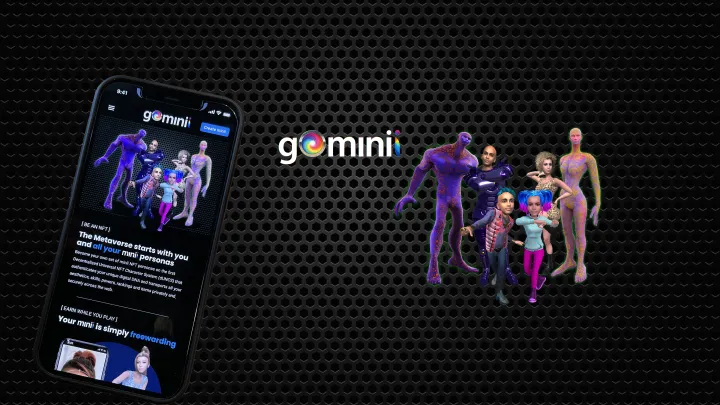
The mobile prototype jump-started early engagement by giving users a simple way to track Dreamium coins, join whitelist events, and participate in early NFT sales. To build momentum before launch, I layered in gamified onboarding steps—Discord signups, token drops, and email capture—to encourage users to take their first actions quickly.
03
Designing the experience
A simpler mobile identity system
- Mobile avatar creator — Guided flow to scan a face and generate three avatar types (animated, mutant, realistic).
- Layer Zero identity system — Patterns enabling avatars to move across compatible games and apps.
- Simplified onboarding — Streamlined signups and early actions (email capture, Discord links, token drops).
- Gamified engagement — Token drops, whitelist mechanics, and light gameplay loops for early momentum.
- Secure presale & authentication — Verification for high-value assets while keeping UX approachable.
Smart Contract
Creating an NFT Selfie through ETH Smart Contract
04
Results & impact
Strong early traction
- 1,500+ NFTs sold in the first 3 days, extending the incubator’s runway.
- Mobile avatar creator validated cross-platform identity as a unique value proposition.
- Gamified engagement loops increased early retention and community participation.
- Presale flows improved trust and supported higher-value NFT transactions.
- Playable prototype demonstrated real utility, enabling Dreamium to pitch a mobile play-to-earn game concept for investment.
Although Dreamium ultimately closed during the 2023 Silicon Valley Bank collapse, the project demonstrated the potential of combining mobile-first design, identity, and lightweight gamification in an emerging ecosystem.